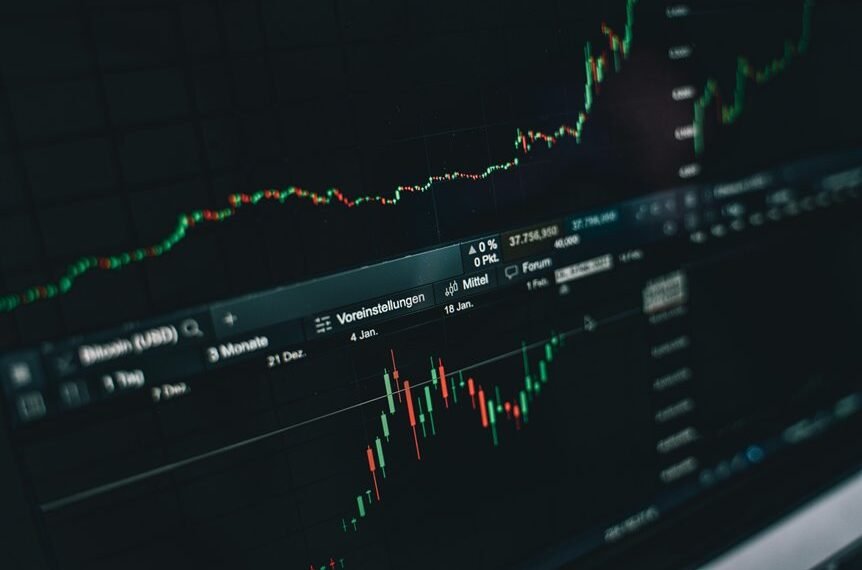
The economic forecast for identifiers 7877076596, 225752523, 16265, 455333681, 900470410, and 34133173088 presents a nuanced picture shaped by various indicators. Employment rates and inflation trends are pivotal in influencing consumer behavior and investment strategies. Additionally, the rise of technology and renewable energy is poised to disrupt traditional sectors. Understanding these dynamics is essential for stakeholders aiming to adapt and capitalize on forthcoming opportunities and challenges. What implications might these shifts hold for future growth?
Overview of Economic Indicators
Economic indicators serve as vital signposts for assessing the health and trajectory of an economy.
Employment rates provide insight into labor market dynamics, while inflation trends signal changes in purchasing power and cost of living.
Together, these metrics inform policy decisions and individual choices, enabling a clearer understanding of economic freedom and stability, essential for fostering growth and prosperity in society.
Sector-Specific Analysis
Sector-specific analysis provides a granular view of how various industries contribute to overall economic performance.
Examining sector performance reveals significant variations influenced by market dynamics, such as consumer demand shifts and technological advancements.
Industries like technology and renewable energy exhibit robust growth, while traditional sectors may face challenges.
This detailed insight allows stakeholders to make informed decisions, promoting economic freedom and strategic investments.
Regional Trends and Projections
As regional economies respond to shifting global conditions, distinct trends and projections emerge that highlight varying trajectories across different areas.
Factors influencing regional growth include demographic shifts and evolving market dynamics, while policy impacts and trade relations further shape economic landscapes.
Employment trends reveal adaptations to these changes, underscoring the importance of agile strategies in navigating complex economic environments for sustainable development.
Investment Opportunities and Risks
While shifting market conditions present both opportunities and risks, the landscape for investors is increasingly complex.
Sustainable investments are gaining traction as a response to heightened market volatility, attracting those seeking long-term growth with ethical considerations.
However, potential pitfalls include fluctuating asset values and regulatory changes.
Investors must navigate these dynamics carefully, balancing their desire for freedom with informed decision-making to optimize returns.
Conclusion
In conclusion, the economic landscape surrounding the identifiers reveals a dynamic interplay of employment rates and inflation, significantly influencing consumer behavior. Notably, projections indicate that sectors embracing renewable energy could see a growth rate of up to 15% annually, highlighting the importance of adaptability for stakeholders. As traditional industries face mounting pressures, those who strategically pivot toward innovation and sustainability are poised to capitalize on emerging opportunities while mitigating associated risks.


 By
By